Sustainability is reshaping business decisions in Hong Kong
Environmental, Social and Governance (ESG) considerations have evolved from a compliance exercise into a strategic business priority. Increasingly, customers, investors, and supply chain partners are evaluating companies based not only on financial performance but also on their environmental and sustainability credentials.
According to the latest HKTDC ESG Index 2026, Hong Kong companies continue to strengthen their focus on sustainability, risk resilience, and responsible business practices as ESG becomes more deeply embedded into corporate decision-making and long-term growth strategies. Companies are prioritising environmental impact reduction, supply chain responsibility, and stakeholder trust as part of their broader ESG journey.
For many organisations, however, a large portion of their environmental footprint extends beyond their own offices and factories. Transportation, warehousing, packaging, and distribution activities throughout the supply chain can have a significant impact on overall sustainability performance.
This makes logistics partners an increasingly important part of any ESG strategy.
Why logistics plays a critical role in sustainability
When companies evaluate their carbon footprint, logistics-related emissions often represent a substantial portion of their indirect environmental impact.
These activities can include:
- Product transportation
- Warehouse operations
- Inventory management
- Packaging and materials usage
- Returns management
- Distribution network efficiency
Because many of these activities are outsourced, businesses increasingly view logistics providers as an extension of their own sustainability programmes.
As ESG expectations continue to rise, businesses are looking for logistics partners that can help improve operational efficiency, reduce waste, optimise transportation, and support broader sustainability objectives.
What makes a sustainable 3PL partner?
Selecting a sustainable logistics partner is about more than choosing the lowest-cost provider. Businesses are increasingly assessing how a 3PL contributes to environmental performance across the supply chain.
Energy-efficient warehousing
Warehouses can consume substantial amounts of electricity through lighting, climate control, equipment, and daily operations.
Leading logistics providers are investing in:
- Renewable energy
- Energy-efficient lighting systems
- Smart facility management
- Sustainable building improvements
- Operational efficiency initiatives
These investments help lower environmental impact while supporting long-term operational resilience.
Transportation optimisation
Transportation remains one of the largest contributors to logistics-related emissions. 
Environmentally conscious 3PL providers often focus on:
- Route optimisation
- Shipment consolidation
- Vehicle utilisation improvements
- Fleet modernisation
- Reduced empty mileage
Even without specialised green freight services, well-planned logistics operations can reduce unnecessary transportation activity and help companies lower their environmental footprint.
Sustainable packaging and waste reduction
Packaging is becoming an increasingly visible part of corporate sustainability commitments.
Businesses may benefit from working with logistics providers that support:
- Right-sized packaging
- Recyclable materials
- Packaging reduction initiatives
- Warehouse recycling programmes
- Responsible procurement practices
Reducing packaging waste not only supports ESG goals but can also improve operational efficiency and lower costs.
Supply chain transparency
As ESG reporting requirements become more sophisticated, many businesses are placing greater emphasis on supply chain transparency and traceability. 
When evaluating potential 3PL partners, companies may consider factors such as:
- Sustainability governance
- Environmental policies
- Carbon reduction initiatives
- ESG reporting capabilities
- Renewable energy adoption
- Fleet decarbonisation programmes
These indicators can provide insight into how seriously a logistics provider approaches long-term sustainability.
Sustainability and operational resilience go hand in hand
For Hong Kong businesses, sustainability initiatives often deliver benefits that extend far beyond environmental performance. In a market where operating costs are high, warehouse space is limited, and customer expectations continue to rise, improving supply chain efficiency can create measurable business value. Better inventory planning helps reduce excess stock and waste, while consolidated shipments can lower transportation costs and make more efficient use of Hong Kong’s logistics infrastructure. Investments in energy-efficient warehouses and facilities can help manage operating expenses, while modern vehicle fleets improve service reliability and support cleaner urban transport. At the same time, digitalised processes enhance inventory visibility, reduce paper consumption, and minimise the risk of human error.
These improvements not only contribute to ESG objectives but also help businesses strengthen resilience against supply chain disruptions, fluctuating demand, and increasing sustainability expectations from customers and international trading partners.
For Hong Kong companies serving Mainland China, the Greater Bay Area, and global markets, sustainable supply chain practices are increasingly becoming a source of long-term competitive advantage, supporting both operational efficiency and responsible business growth.
Choosing the right logistics partner for your ESG journey
As sustainability expectations continue to grow, Hong Kong businesses are increasingly evaluating logistics providers through an ESG lens.
Important considerations may include:
- Environmental performance and initiatives
- Renewable energy investments
- Fleet sustainability programmes
- Sustainable procurement practices
- Waste reduction measures
- ESG governance and transparency
- Long-term commitment to carbon reduction
While every business will have different sustainability priorities, selecting a logistics partner that shares similar values can help organisations build a stronger and more resilient supply chain.
Crown’s sustainability journey in logistics operations
When evaluating a 3PL partner, many Hong Kong companies focus on service levels, cost, and operational capabilities. Increasingly, however, sustainability performance is becoming another important consideration. A logistics provider’s investments in cleaner transportation, energy-efficient facilities, delivery route optimization and responsible operations can help customers strengthen their own ESG performance while benefiting from more efficient supply chain operations.
At Crown Logistics, sustainability initiatives are designed not only to reduce environmental impact, but also to support long-term operational efficiency and resilience. For example, the ongoing electrification of our Hong Kong vehicle fleet has helped reduce diesel consumption and carbon emissions while supporting cleaner local delivery operations. Similarly, investments in renewable energy, including rooftop solar installations at Crown facilities in Hong Kong, contribute to lower-energy, more environmentally responsible warehouse operations.
Through CrownCompass, Crown Logistics provides real-time visibility of inventory, orders, and shipments, helping businesses strengthen supply chain traceability, improve operational oversight, and support more accurate reporting. At the same time, Crown Logistics supports sustainability goals through offering responsible packaging options and circular economy initiatives that focus on reducing waste, improving resource efficiency, and promoting recycling and reuse across logistics operations. 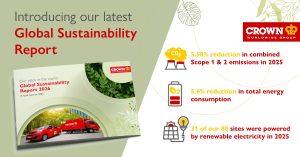
These initiatives form part of Crown Worldwide Group’s broader sustainability strategy, which includes commitments to Science-Based Targets (SBTi) emissions reduction targets, responsible procurement, and continuous environmental improvement. While every business will have different ESG priorities, partnering with a logistics provider that actively invests in sustainable operations can help support corporate sustainability objectives, strengthen supply chain resilience, and demonstrate a shared commitment to responsible business practices.
Beyond individual projects, Crown has strengthened its sustainability governance through responsible procurement, carbon reduction planning, and ESG integration across its global operations. In 2025, the Group achieved an EcoVadis score of 65/100, placing it among the top-performing companies in its sector globally.
Building more sustainable supply chains together
At Crown Logistics, we recognise that sustainability is increasingly important to our customers and stakeholders. Through investments in renewable energy, fleet electrification, operational efficiency, and the wider sustainability commitments of Crown Worldwide Group, we continue to work towards building more responsible logistics operations for the future.
Looking to strengthen your ESG strategy and build a more sustainable supply chain? Contact Crown Logistics to discuss how our logistics solutions can support your business objectives across Hong Kong and Greater China.