Peak season planning starts now: How businesses can prepare for year-end sales success
For many businesses, the final quarter of the year represents the most important sales period. From seasonal promotions and corporate gifting programmes to year-end retail campaigns and inventory replenishment, demand often rises significantly between October and December.
Across Hong Kong and Mainland China, year-end spending remains an important driver of business activity. Hong Kong retail sales showed renewed momentum in late 2025, with December retail sales increasing year-on-year and stronger performance reported across categories such as jewellery, gifts, electronics, medicines and cosmetics. Meanwhile, China’s major shopping festivals, including Singles’ Day, continue to generate significant sales volumes and place enormous pressure on regional supply chains.
The challenge is not simply handling more orders. Businesses must also navigate tighter logistics capacity, longer lead times, seasonal labour constraints, fluctuating freight costs, and increased customer expectations. The companies that perform best during peak season are usually those that start planning months in advance rather than reacting when volumes surge.
Here are some practical strategies businesses can adopt now to prepare for a successful year-end peak season.
Forecast demand early and review historical trends
Successful peak season planning begins with accurate forecasting.
Historical sales data, previous promotional performance, inventory turnover, and customer purchasing patterns can provide valuable insights into likely volume increases. Many logistics experts recommend reviewing previous peak-season performance to identify bottlenecks before they reappear during the busiest period of the year.
Businesses should also consider external factors such as:
- Planned marketing campaigns
- Product launches
- Corporate gifting programmes
- Regional holidays
- Trade exhibitions and events
- Supplier lead times
Early forecasting allows warehouses, transport providers, and suppliers to prepare capacity before market demand escalates.
Secure inventory and warehouse capacity in advance
One of the most common year-end mistakes is waiting too long to position inventory. 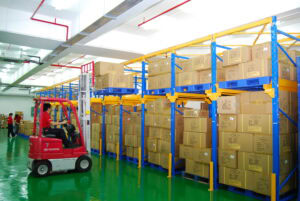
Peak periods often lead to tighter transportation capacity and delayed replenishment cycles. Businesses that rely on imported products may face additional challenges caused by port congestion, seasonal weather disruptions, and increased competition for cargo space.
Warehousing should also be treated as part of the planning process rather than an afterthought. Adequate storage capacity enables businesses to build buffer stock, support promotional campaigns, and respond quickly to demand spikes without creating stock shortages.
For many companies, flexible warehousing and inventory management provide an important safeguard against supply-chain disruptions during the final quarter.
Diversify your logistics and courier partners
One increasingly important lesson from recent peak seasons is the value of diversification.
Relying on a single courier, freight forwarder, or transportation provider can expose businesses to unnecessary risk if capacity becomes constrained or service levels decline during peak periods.
Industry expert recommends developing relationships with multiple logistics and carrier partners to improve flexibility and continuity. A multi-carrier approach allows businesses to balance cost, speed, geography, and shipment requirements while reducing dependency on any single provider.
For many organisations, this may include:
- International express providers
- Local courier networks
- Freight forwarding partners
- Specialist transport providers
- Third-party logistics (3PL) providers such as Crown Logistics
By diversifying logistics options, businesses can maintain service continuity even when one network experiences disruptions or capacity limitations.
Don’t overlook holiday packaging and value-added services
The year-end period is not just about delivery speed. Presentation matters too. 
Corporate gifts, festive campaigns, luxury products, premium food and beverage items, and promotional bundles often require special handling, seasonal packaging, kitting, labelling, or repacking before dispatch.
A well-executed packaging strategy can enhance customer experience, strengthen brand perception, and improve campaign performance. The unboxing experience often becomes a critical touchpoint during seasonal sales periods, particularly for premium product categories.
Businesses should review requirements for:
- Gift packaging
- Promotional bundles
- Holiday-themed labels
- Corporate gift sets
- Product kitting
- Custom inserts and marketing materials
Planning these activities early helps avoid operational bottlenecks when order volumes increase.
Build flexibility into transportation plans
No peak season unfolds exactly as expected.
Market demand can shift quickly, promotional performance may exceed forecasts, weather conditions can interrupt transportation networks, and supplier delays can create unexpected challenges.
Businesses should therefore develop contingency plans that include alternative transportation modes, backup routing options, and flexible delivery schedules. Logistics providers increasingly recommend preparing secondary transport plans before disruptions occur.
Examples include:
- Alternative freight routes
- Multiple dispatch schedules
- Buffer stock positioning
- Emergency replenishment plans
- Backup carrier arrangements
Flexibility often becomes the difference between meeting year-end targets and missing critical sales opportunities.
Improve visibility across the supply chain
When shipment volumes rise, visibility becomes essential. 
Modern warehouse management and transportation systems provide businesses with real-time information on inventory levels, shipment status, order progress, and transport performance. This visibility enables quicker decision-making and helps teams identify issues before they affect customers.
Businesses should work closely with logistics partners who can provide transparent reporting and proactive communication throughout peak periods.
How Crown Logistics helps businesses navigate peak season
Preparing for year-end demand requires more than additional warehouse space. It requires a coordinated strategy across inventory, warehousing, transportation, packaging, and distribution.
Crown Logistics supports businesses across a wide range of industries through integrated supply chain solutions designed to improve agility during seasonal peaks. Our services include warehousing and inventory management, domestic and cross-border distribution, value-added services such as kitting, repacking and gift set assembly, as well as transportation management supported by a broad network of logistics and courier partners.
For businesses planning seasonal promotions, product launches, corporate gifting programmes, or year-end stock positioning, we provide the operational flexibility needed to adapt to changing market conditions while maintaining service quality.
Plan early, perform better
The year-end sales peak presents significant growth opportunities, but it also places greater demands on supply chains. Businesses that forecast early, position inventory strategically, diversify logistics partners, and prepare flexible fulfilment plans are often best placed to capitalize on seasonal demand while minimising disruption.
Whether you operate in retail, consumer goods, food and beverage, healthcare, beauty, manufacturing, or corporate services, now is the time to begin preparing for peak season.
Contact Crown Logistics today to discuss how we can help you strengthen your year-end logistics strategy and support business growth across Hong Kong, Mainland China, and Asia-Pacific.