The United Arab Emirates (UAE) has long played a central role in global trade and mobility. Its strategic location between Europe, Asia, and Africa, world‑class infrastructure, strong aviation links, and business‑friendly environment have made it both a logistics hub and a destination for global talent. For many organisations operating across Asia, including Hong Kong–based multinationals and regional headquarters, the Gulf – Dubai in particular – has traditionally been viewed as a commercially resilient and operationally reliable market.
Recent developments across the Middle East, however, are prompting logistics and supply‑chain leaders to reassess how they plan, route, store, and protect goods moving into the region. While the UAE remains operational and attractive in the long term, the current environment highlights an increasingly important reality for businesses: resilience now depends as much on flexibility and preparation as it does on infrastructure.
A Changing Operating Environment in the Middle East
Ongoing geopolitical tensions involving Iran, combined with strikes, drone activity, and heightened security measures in parts of the Gulf, have introduced new volatility into regional transport networks. These events have had direct knock‑on effects on aviation, shipping routes, and cargo scheduling.
From a logistics perspective, the headlines matter less than the structural implications. Temporary flight suspensions, vessel rerouting, and insurance re‑pricing are not isolated incidents, they are reminders of how exposed global supply chains remain to disruption. Even in markets that are well buffered, like the UAE, access routes can become constrained with little warning.
Businesses moving household goods, project cargo, commercial inventory, or office equipment into the Gulf are now encountering longer lead times, shifting schedules, and cost unpredictability. This has implications not only for relocations, but also for corporate mobility programmes, construction timelines, office setup, retail launches, and operational continuity.
Shipping Routes, Capacity Constraints, and Cost Pressures
A key vulnerability lies in the region’s reliance on major maritime corridors, notably the Strait of Hormuz and the Red Sea. Pressure on these routes has led shipping lines to divert vessels, reducing capacity and extending transit times. Alternative ports and hubs remain open, but naturally face congestion as volumes are redistributed.
These challenges are compounded by constraints in air freight. Airspace closures and route adjustments reduce options for urgent or high‑value shipments, requiring businesses to re‑prioritise what must move immediately and what can wait.
Barry Koolen, EMEA CEO at Crown Worldwide, highlights the logistics reality facing organisations today:
“The biggest impact is that major shipping lines are diverting their vessels away from the Strait of Hormuz, creating significant delays and rising costs. Ports in Oman and alternative hubs are open, but, understandably, there are capacity issues there. To make matters more complicated, airspace closures are limiting air freight options.
Although we continue to operate safely, we’re seeing the fragility of global supply chains exposed again. To us, this underscores the need for clear communication with customers. We’re encouraging them to make use of our storage facilities until the situation improves.”

This assessment applies not only to personal relocations, but equally to business shipments, stock positioning, and corporate assets.
What This Means for Logistics and Supply Chain Leaders
For logistics decision‑makers, the key question is no longer whether disruption exists, but how effectively it can be managed. The current environment reinforces several important principles:
First, flexibility must be designed into supply chains. Fixed timelines and single‑route dependencies carry greater risk. Organisations are increasingly benefitting from phased movement strategies – shipping critical items first while holding non‑essential goods in storage until conditions stabilise.
Second, storage has become a strategic asset rather than a stop‑gap. Secure, professionally managed storage at origin allows businesses to prepare shipments in advance – packed, documented, and ready to dispatch – so they can move immediately when routes reopen or capacity becomes available.
Third, communication and visibility are critical. Clear updates, realistic timelines, and early decision‑making help organisations avoid last‑minute costs, operational downtime, or employee dissatisfaction.
This approach allows mobility programmes, market entries, and operational plans to continue moving forward, even when transport networks are temporarily disrupted.
A Practical Logistics Response: Prepare Now, Ship When Ready
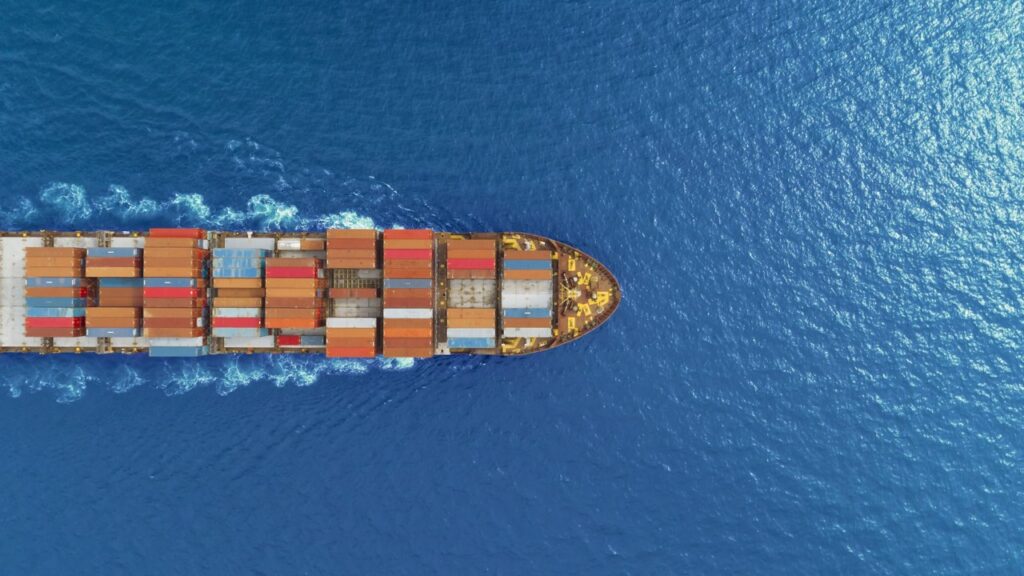
One of the most effective strategies currently being used across Crown’s logistics operations is decoupling preparation from final shipment.
Rather than delaying moves entirely, businesses can:
- Proceed with professional packing and documentation
- Secure goods in origin‑based storage
- Prioritise shipments the moment routes reopen
- Avoid future congestion caused by pent‑up demand
When shipping resumes, backlogs and scheduling bottlenecks are likely. Organisations that have already completed the preparation stages will be better positioned to secure container space faster and reduce overall transit times.
From a business logistics perspective, this model supports continuity while limiting exposure to volatility.
Insights for Crown Logistics’ Business Partners
For logistics‑dependent businesses, current conditions underline the importance of partnering with providers that offer end‑to‑end solutions, not just transport.
Crown Logistics works closely with our overseas offices to support:
- Origin storage and inventory holding
- Flexible shipment timing aligned with risk assessments
- Multi‑modal routing options
- Transparent communication and scenario planning
This integrated approach enables clients to balance operational momentum with risk mitigation, protecting both assets and people during uncertain periods.
Looking Ahead: Building Supply Chain Resilience
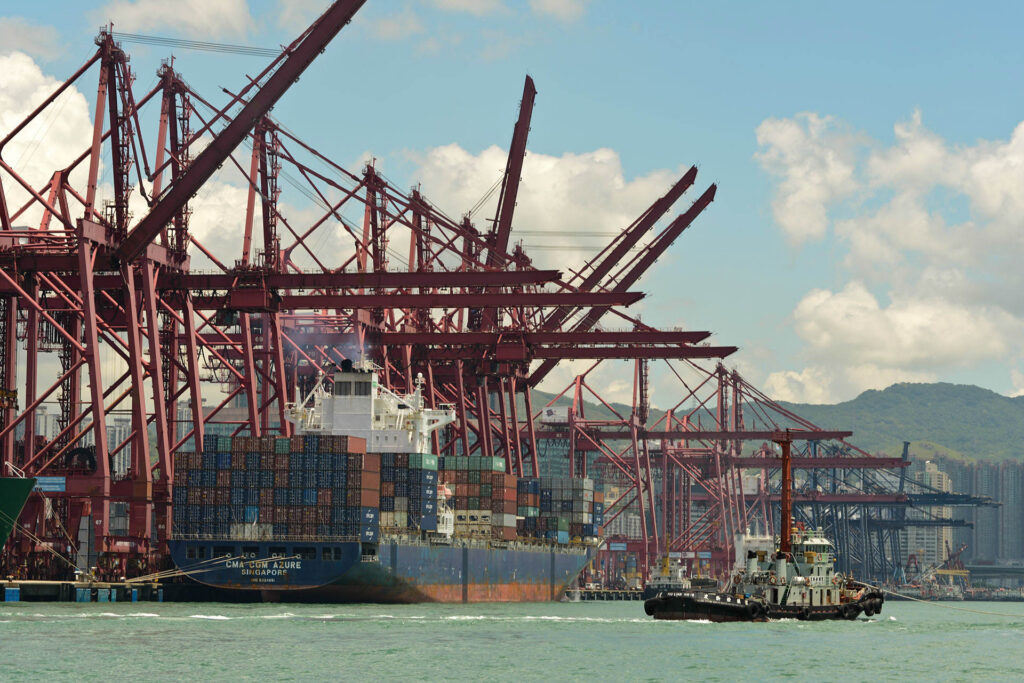
The UAE’s long‑term position as a commercial and logistics hub remains strong. However, the current climate is a timely reminder that resilience is not static, it must be actively maintained.
For logistics leaders, this means:
- Re‑evaluating routing assumptions
- Building optionality into movement plans
- Treating storage and preparation as strategic tools
- Working with partners who can adapt as conditions evolve
Uncertainty does not have to translate into paralysis. With the right planning and logistics support, businesses can continue to operate, relocate, and grow – even when external conditions are testing.
How Crown Logistics Supports Business Continuity
Crown Logistics supports organisations navigating complex global movements through flexible logistics planning, secure storage solutions, and close coordination with transport partners across regions. By combining operational expertise with clear communication, we help business partners maintain momentum while managing risk.
If your organisation is planning shipments, relocations, or market activity involving the UAE or wider Gulf region, our teams are here to help you assess options and build a resilient logistics approach. Contact us for more information.