Luxury is evolving. As consumers pivot from purchasing high‑priced goods to buying high‑end experiences, luxury brands face a dual reality: personal luxury goods are stabilizing or softening, while luxury travel and hospitality continue to outperform. Bain & Company’s latest luxury study projects a mild drop of personal luxury goods sales in 2025, following a 1% dip in 2024, with jewellery and fragrances more resilient than leather goods and shoes. The longer‑term outlook remains solid but more turbulent, with brands urged to “go back to fundamentals” and use AI for performance improvement without diluting desirability.
In contrast, luxury hospitality is surging: McKinsey forecasts global spending on luxury leisure hospitality to reach around $390 billion by 2028, with a growing share coming from “aspiring” luxury travellers who still seek exclusivity and impeccable service.
For luxury brands, these shifts raise a crucial question: How do you deliver prestige consistently (across boutiques, e‑commerce, pop‑ups, collaborations, and travel experiences), while preserving product integrity and sustainability? The answer lies in a new generation of logistics: secure, data‑driven, omnichannel, and sustainable.

The Luxury Landscape: Goods vs. Experiences. What It Means for Logistics?
-
Demand divergence: Luxury value creation slowed in 2025 as price elevation reached its ceiling for aspirational shoppers, pressuring volumes. Brands that maintain exclusivity without “price fatigue” are winning, Hermès is a frequently cited example. Logistics must mirror that premium value proposition with flawless handling, time‑definite service, and transparent tracking.
-
Experiential luxury expands: Branded hotels, sleeper trains, and super‑yacht experiences are proliferating; consumers now show off trips as easily as outfits on social media. Luxury inventory is increasingly mobile and event‑driven: from capsule drops to beach club pop‑ups, products must move securely between store, hotel, resort, and VIP suite.
-
Data and resilience matter: Geopolitical instability, tariffs, and climate disruptions have made supply chain resilience the forefront of consideration. Leaders are diversifying sources, mapping suppliers, and investing in digital risk tools to anticipate shocks and recover faster.
Logistics is now a brand experience. Every delivery, packaging and unboxing moment contributes to perceived value and trust of the prestigious brand.
Crown Logistics: Built for Prestige
1) Attention to Detail, Omnichannel Fulfilment
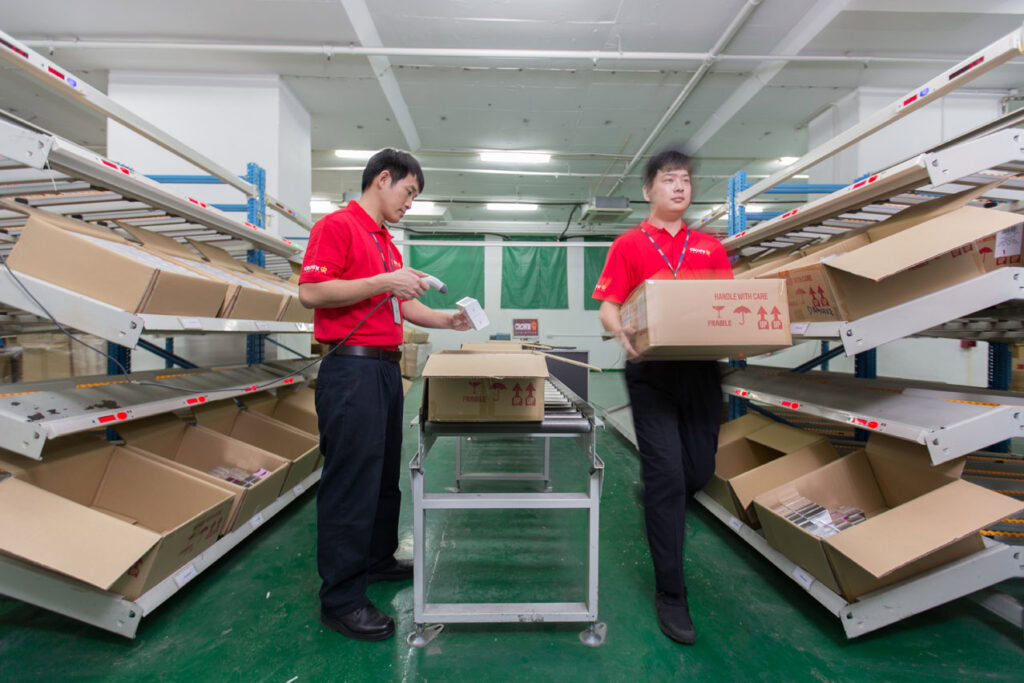
Luxury customers expect precision, presentation, and personalization, from packaging to timed deliveries and discreet returns. Exceptional care frameworks cover packaging kit assembly, packaging removal, and courtesy protocols, tailored for high‑value or fragile items. Luxury fashion fulfilment best practices emphasize high handling standards, tailored packaging, and real‑time visibility across touchpoints.
Omnichannel is no longer optional: 73% of retail consumers are omnichannel, and retailers using more than three channels drive higher engagement and retention. Click‑and‑collect, curbside, and buy online pick up in-store (BOPIS) are now core conversion drivers, even for premium brands. McKinsey suggests AI can assist in personalization and managing inventory, which are critical to serving a more diverse luxury client.
Crown Logistics’ omnichannel service includes:
-
Order arrangement with store‑to‑door, boutique and pop‑up store replenishment.
-
Discreet delivery protocols and event‑site logistics.
-
Customized return processes.
2) Speed & Predictability Through Tech‑Driven Scheduling and Tracking
Last‑mile is the costliest segment of logistics and the most visible to your customer. AI‑enhanced routing reduces miles, anticipate delays, and dynamically reroute for on‑time delivery. This is especially important when a missed slot means a missed experience.
Industry review places last‑mile at about 40% of total logistics costs – dynamic AI routing and prediction are confirmed to lower cost without compromising the exceptional experience.
 Crown Logistics’ proprietary CrownCompass system offers real-time tracking and full supply chain visibility. Clients and their customers know where their shipments are at all times, so delivery windows are promises not guesses.
3) Sustainable Luxury Logistics
Today’s luxury buyers demand greener supply chains. Logistics leaders are electrifying fleets and optimizing routes to decarbonize their shipments. Installation of EV charging in logistics facilities show how infrastructure upgrades accelerate fleet electrification and reduce facility emissions.
Crown Logistics’ sustainability practices include efficient EV fleet scheduling, route consolidation to cut empty miles, packaging right‑sizing, and integrating solar energy in key operations.

4) Resilience by Design: Diversification, Mapping, and Scenario Planning
From tariffs and trade tensions to extreme weather, global logistics faces frequent disruptions. Research by the IMF shows diversifying sources can enhance resilience when the probability of large trade shocks is high, though efficiency must be carefully managed. Leading risk surveys highlight geopolitical risk, cybersecurity, raw material shortages, and inflation as rising concerns, with fewer than 8% of businesses feeling in full control of their supply chain risks.
Crown Logistics helps luxury brands managing inventory and align lead time buffers with launch plans, so limited collections can still debut as scheduled even if one route is disrupted.
Why Crown Logistics for Luxury Brands?
Luxury customers want flawless unboxings, precise timing, authenticity they can verify, and sustainability they can believe in. Crown Logistics brings technology, discretion, and craft together to deliver that standard consistently. Contact us for more information.
Further reading: Delivering Prestige: How Crown Logistics Ensures Security of Luxury Brand Shipments