The fashion and accessories industry has always been defined by change. Today, however, change is happening faster than ever. Trade uncertainties, shifting consumer behaviours, new sustainability requirements, digital commerce, and the rise of ultra-fast fashion are reshaping how fashion brands source, distribute, and sell products across the world.
For businesses operating in Hong Kong and Greater China, these developments present both challenges and opportunities. As one of Asia’s leading sourcing, trading, and logistics hubs, Hong Kong remains strategically positioned to connect global fashion brands, manufacturers, distributors, and retailers with consumers across China and the wider Asia-Pacific region.
Here are five key fashion logistics trends that businesses should be watching.
1. Agility is becoming more valuable than cost alone
For decades, fashion supply chains were largely driven by cost optimisation. Today, agility and resilience have become equally important.
According to fashion industry surveys highlighted by Supply Chain Dive, fashion executives are increasingly concerned about geopolitical uncertainty, tariffs, and changing trade policies. As a result, brands are reassessing sourcing strategies and placing greater emphasis on flexibility, supply chain visibility, and reliable logistics partners.
Many brands are moving away from a strategy based solely on lowest-cost production. Instead, they are balancing cost considerations with the ability to respond quickly to demand fluctuations, supply disruptions, and changing consumer preferences. Reliability is increasingly becoming a competitive advantage.
For Hong Kong-based fashion traders and sourcing offices, this reinforces the city’s role as a regional coordination centre capable of managing multi-country sourcing networks and distribution operations.
2. China’s ultra-fast fashion model continues to influence global retail
The emergence of ultra-fast fashion has changed consumer expectations worldwide. Chinese companies have demonstrated how real-time consumer data, social commerce, AI-driven trend forecasting, and agile manufacturing can dramatically shorten the journey from design concept to customer delivery. Unlike traditional fashion cycles that operate seasonally, ultra-fast fashion brands can introduce thousands of new styles every week.
While brands such as Shein and others often attract attention for their growth, the broader implication for the industry is the increasing importance of rapid inventory movement, smaller production runs, and more responsive fulfilment models. Consumers now expect fresh product launches and faster delivery regardless of whether they are shopping luxury brands, premium accessories, or value fashion labels.
This trend is driving demand for logistics networks capable of supporting fast replenishment cycles, omnichannel distribution, and real-time inventory management.
3. Sustainability and ESG are moving to the centre of fashion strategy
Environmental, Social and Governance (ESG) considerations are no longer optional for fashion businesses.
HKTDC research shows that ESG has become increasingly embedded across the fashion value chain, influencing sourcing decisions, product development, and business strategy. Industry participants report not only growing customer demand for sustainable products but also measurable commercial benefits from ESG adoption.
The fashion sector is facing increasing scrutiny around carbon emissions, waste reduction, circularity, ethical sourcing, and supply chain transparency. At the same time, buyers are showing willingness to pay premiums for products and services that meet sustainability expectations.
In Greater China, sustainability is becoming an increasingly important differentiator. Hong Kong has strengthened its position as a sustainable fashion hub, supported by strong international connectivity, professional services, and a growing ESG ecosystem.
For logistics operations, this shift is driving greater focus on supply chain visibility, inventory optimisation, returns management, sustainable packaging, and transportation efficiency.
4. E-commerce and social commerce are reshaping fashion distribution
The relationship between fashion and digital commerce continues to deepen. Consumers are discovering products through livestreaming, influencers, social commerce platforms, and mobile-first shopping experiences. As a result, fashion brands increasingly need supply chains capable of supporting both traditional retail channels and direct-to-consumer fulfilment models.
Hong Kong remains a valuable gateway for cross-border e-commerce, offering excellent connectivity, sophisticated logistics infrastructure, and proximity to Mainland China. Fashion remains one of the strongest performing e-commerce categories across many Asian markets, with cross-border transactions continuing to grow.
Today’s fashion brands must manage inventory across physical stores, online platforms, marketplaces, and social commerce channels simultaneously. This has increased demand for integrated logistics, accurate inventory visibility, and flexible order fulfilment solutions.
5. Hong Kong remains a strategic fashion logistics hub
Despite ongoing changes in global trade patterns, Hong Kong continues to play a vital role in the fashion supply chain ecosystem. The city’s strengths include its free-port status, world-class logistics infrastructure, strong sourcing expertise, access to Greater Bay Area markets, and long-established relationships with apparel manufacturers throughout Asia. Hong Kong fashion companies are particularly recognised for their ability to manage sourcing, fabric procurement, quality control, logistics coordination, and compliance across complex regional networks.
As brands diversify sourcing locations across China, Southeast Asia, and South Asia, Hong Kong remains well positioned to serve as a command centre for regional supply chain management and distribution strategy.
Looking ahead: Building resilient fashion supply chains
The fashion industry is entering a new phase where speed, flexibility, sustainability, and digital integration matter as much as product design itself.
For fashion brands, distributors, sourcing offices, and retailers operating across Hong Kong and Greater China, success will increasingly rely on the ability to adapt quickly to changing trends while maintaining operational resilience. Whether responding to shifting trade environments, supporting cross-border e-commerce growth, or meeting new ESG expectations, businesses will need supply chains that are both agile and scalable.
Supporting fashion brands in a fast-changing market
As fashion supply chains become more complex, businesses need logistics partners that can help them respond quickly to changing consumer demand, manage omnichannel operations, and support sustainability goals.
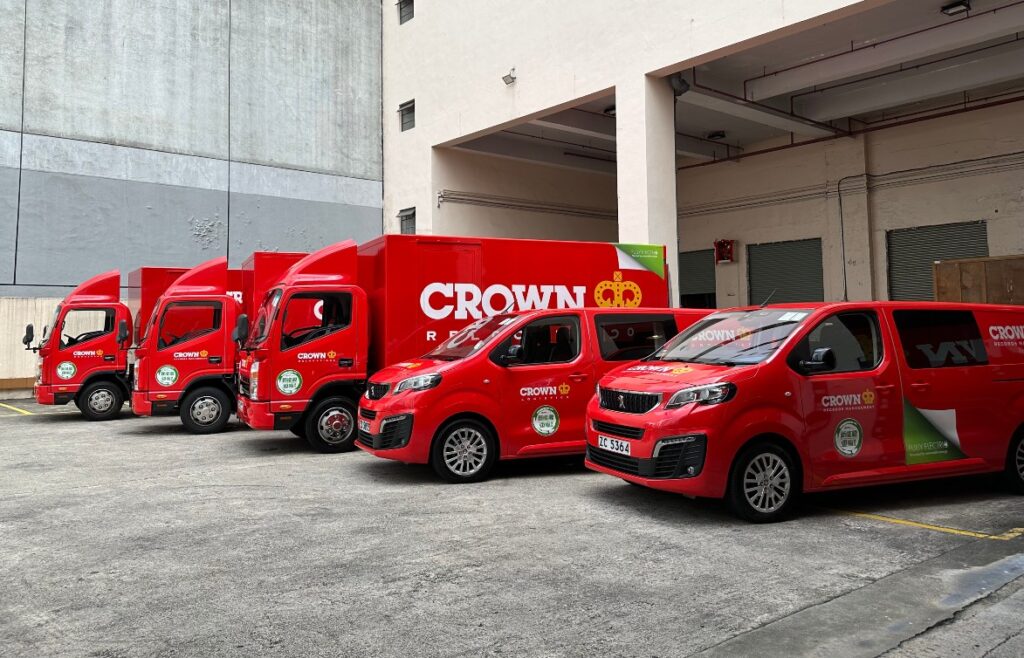
Crown Logistics provides tailored logistics solutions for fashion and accessories businesses, from regional inventory management and warehousing to e-commerce fulfilment, retail distribution, returns management, and cross-border logistics across Hong Kong and Mainland China.
Our solutions are designed to support the agility that today’s fashion market demands. By providing real-time inventory visibility, flexible fulfilment models, and scalable distribution networks, we help brands improve speed-to-market while maintaining service quality across multiple sales channels.
At the same time, our sustainability initiatives, including route optimisation, energy-efficient facilities, responsible packaging practices, and ongoing ESG commitments, help customers strengthen their environmental performance while building more resilient supply chains.
Together, these capabilities enable fashion brands to adapt to evolving market trends, enhance customer experiences, and support long-term growth.
At Crown Logistics, we work with fashion and lifestyle brands across Asia to support inventory management, omnichannel fulfilment, regional distribution, and supply chain optimisation. As the industry continues to evolve, we remain committed to helping businesses navigate complexity and seize new opportunities in one of the world’s most dynamic consumer sectors.